

Putin is pulling his Ukraine blackout power punches
.jpg)
Russian President Vladimir Putin is pulling his punches in the bombing campaign of Ukraine’s power system. The country is plagued by rolling blackouts after Russia destroyed half of its generation capacity, but Russia could turn out the lights overnight and plunge the whole county into total darkness if it wanted to.
In a harbinger of what could come, Russian missiles hit a key 750kV substation just outside Odesa on December 7, causing the city's power supply to fail completely for at least 24 hours. The heating stopped, the internet was offline, mobile phone services went down and electricity exports to Romania via the Isaccea interconnector were suspended. For nearly two days Odesa was completely blacked out. State utility Ukrenergo rushed to repair the damage but said it would take several days or longer to fix.
Russia has been targeting Ukraine’s power sector since the start of 2023, but so far it has avoided hitting the crucial ultra-high-voltage 750kV substations, the backbone of Ukraine’s power grid that enable both domestic distribution and cross-border power flows.
Still, running a system built in Soviet times, there are hundreds of the smaller 330kV substations but the 90-odd the larger 750kV substations make up the spinal cord of the distribution system. Their high voltages are needed to drive power across long distances connecting the still functioning nuclear and hydro power plants to regional centres and neighbouring countries.
“These are not just any substations — they’re the skeletal structure of the Ukrainian grid,” an energy advisor to Ukrenergo says. “They connect nuclear power plants to the rest of the country, balance regional loads, and interconnect with neighbouring countries. Take one down and you're not just blacking out a neighbourhood, you’re disrupting a region.”
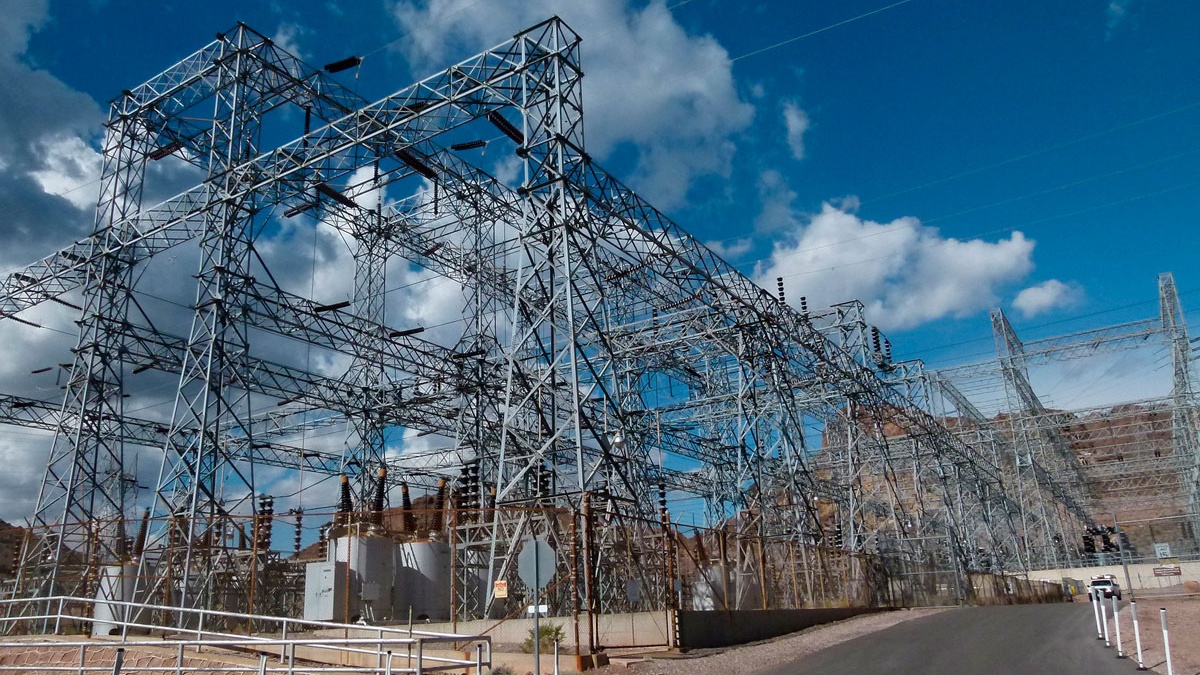
The 750kV level is not common in Europe — most EU transmission networks operate at 400kV or lower — making replacements even more difficult. EU officials and ENTSO-E have coordinated emergency deliveries of transformers, but available reserves are limited.
Russia began the assault on Ukraine’s generating capacity with a massive missile barrage in January 2024 that went on to destroy or badly damage nearly all of Ukraine’s thermal and hydropower capacity. Today more than half of Ukraine’s 27 regions are under emergency power regimes. After the start of the drone war that May, the attacks have intensified as a new phase in the war, a missile war, began. Drone and missile attacks have quadrupled since July this year and the targets have expanded to include energy infrastructure and domestic gas production and pipelines.
Russia’s tactics have also changed. It now sends a swarm of hundreds of drones against a target in waves, each one separated by around half an hour, before sending in a salvo of half a dozen powerful guided missiles against a high value target like air defence systems or energy infrastructure. Ukraine is still able to shoot most of the drones down and some of the missiles, but enough get through to do devastating damage.
Until now, the 750kV substations have been largely ignored. But that is changing now. In October, a substation in Sumy was disabled in a drone and missile strike, triggering widespread outages in the north-east of the country. The coordinated barrage involving Shahed drones and Kalibr cruise missiles strikes on Odesa’s 750kV substation was the first major city to be hit by the Russians, affecting the power supplies for over 1.5mn people.
Ukrenergo restored partial Odesa’s power within 48 hours, but warned on December 11 that full repairs would take weeks. The scale of the damage was compounded by secondary fires caused by falling missile debris, affecting transformers and control systems. Repairing 750kV substations is particularly difficult during wartime: transformers of this size are custom-engineered, not mass-produced, and can take 6–18 months to replace.
“There is a shift from punishing to disabling,” said the Kyiv-based government adviser. “If you can take out three or four more of these [750kV] substations, you risk a systemic failure — especially if nuclear or hydro output has nowhere to go.”
Ukraine’s fleet of nuclear power plants (NPPs) — including the Rivne, Khmelnytskyi, South Ukraine and Zaporizhzhia plants — are still working, but they are heavily reliant on the 750kV network to evacuate power safely and efficiently. Attacks on this infrastructure not only reduce grid capacity but also create operational risks at generation sites which could be forced to shut down if they have nowhere to send power to.
Following the extraordinary synchronisation of Ukraine’s power grid with Europe’s ENTSO-E electricity grid that literally happened on the day before the Russian invasion in March 2022, the 750kV system also plays a greater role in cross-border balancing. Unable to generate all the power it needs anymore, Ukraine has become dependent on increased imports from its partners in the EU to make up the shortfall. Disabling the cross-border nodes removes this lifeline just as the mercury begins to fall and the first snows of winter arrive.
If blowing up the 750kV is so effective, why has Russia avoided it so far? The Kremlin is waiting for temperatures to fall further, analysts warn. Most of Ukraine’s urban population continue to live in Soviet-era centrally heated apartment blocks. If the power to these is cut off they become impossible to heat. As the central heating is distributed by hot water, if the temperatures in the buildings fall below zero the water will freeze and the pipes will burst – damage that is almost impossible to repair quickly.
If Russia were to launch a coordinated attack against all of Ukraine’s 750kV substations the entire country could go black and much of the housing made uninhabitable. bne IntelliNews government sources say that Western capitals have been warned to prepare for a potential second wave of refugees if the lights in Ukraine are turned off in the very coldest months of January and February.
Follow us online