
South Korea becomes Russia's second-biggest seaborne fuel supplier as Seoul drifts from Kyiv - Carnegie
South Korea supplied almost a third of Russia's seaborne fuel imports in August, second only to India, as Seoul tilts towards Moscow, according to a Carnegie paper on November 13.
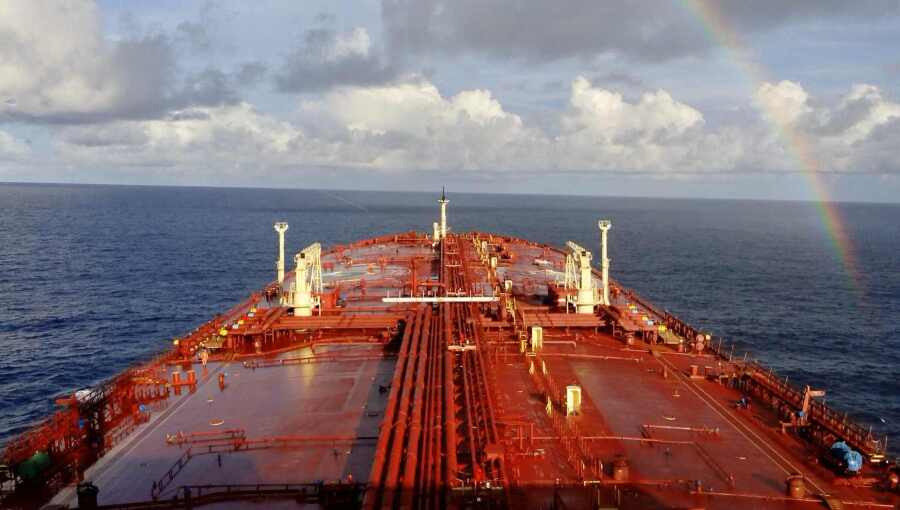
The paper, by James D.J. Brown, professor of political science at Temple University, writing for Carnegie Politika, draws on an analysis of port records and ship-tracking data published by The Guardian on October 6. Seven tankers carried more than 176,000 tonnes of fuel, mostly diesel, to Russia from ports including Ulsan and Yeosu in 14 voyages in July and August, and three of the ships were under UK or EU sanctions, the newspaper found. Russia imported 368,000 tonnes of oil products by sea in August, and 112,000 tonnes of them came from South Korea.
Russia, normally one of the world's biggest fuel exporters, began buying refined products abroad this summer after Ukrainian drones knocked out a large share of its refining capacity. It could import as much as 18% of the gasoline it consumes in 4Q26, Kommersant reported in October, with Belarus, which ships by rail, the largest outside supplier. A US ally covering almost a third of the seaborne shortfall blunts one of Kyiv's most effective weapons. Putin has accused Ukraine of opening a Pandora's box by hitting Russia's economy, and the strikes go on: drones hit the Kirishi refinery, the country's second-largest, on November 9.
"Imports from South Korea effectively helped offset the impact of Russia's loss of domestic refining capacity," Vladyslav Vlasiuk, the Ukrainian president's commissioner for sanctions policy, said on Facebook. The shipments stood "in stark contrast to South Korea's sanctions policy", he added.
The presidential office in Seoul called the claim "inaccurate and inappropriate", saying it rested on "individual transactions" whose key facts, including "the parties involved", had not been verified, and that the government "has consistently implemented sanctions and export controls against Russia", Korea JoongAng Daily reported on October 7. Seoul also says no fuel exports to Russia have cleared its customs since last year and that petroleum products fall outside its export controls.
Relations with Kyiv soured over the same months. Seoul recalled its ambassador to Ukraine on October 8, its first protest recall in 18 years, after President Volodymyr Zelenskiy told the UN General Assembly on September 23 that Ukraine had handed two North Korean prisoners of war to South Korea. Seoul said the disclosure broke a confidentiality agreement, which Kyiv denies, and later pulled half its embassy staff out of the country.
Ties with Moscow have warmed. On October 1 President Lee Jae-myung appointed Song Young-gil, a Democratic Party politician with long-standing ties to Russia, as his special adviser for peace and diplomacy. On October 13 Lee attended a ceremony in Busan for the Panstar Acro, the first Korean container ship to complete a round trip through the Northern Sea Route, and pledged "all-out support" for the Arctic route's development. Russian visitors to South Korea rose 12.9% year on year to 193,700 in January-September, TASS reported. Hyundai and Kia are studying a return to the Russian market, Seoul's ambassador in Moscow told Izvestia in October.
South Korea relies on imports for almost 98% of its fossil fuel consumption, and its energy insecurity has grown since the US war against Iran began in February. Ideology plays a part too: Lee, a progressive, puts engagement with North Korea first, wants more autonomy from Washington and talks of a multipolar order, and Zelenskiy's disclosure cut across the peaceful-coexistence message of Lee's own UN speech, according to Brown.
Seoul is unlikely to move far, according to Brown. It still depends on the US alliance, including American troops and joint military drills, which Moscow condemned on November 3. South Korea wants to become the world's fourth-largest arms exporter by 2030, with Europe a key market, and its defence companies will resist anything that alienates European buyers. Korean infrastructure groups want a share of Ukraine's postwar reconstruction, while Russia's stagnating economy and its seizure of Japan Tobacco's Russian business make Moscow a poor bet for investors.
Seoul has kept a $100mn aid package for Ukraine in its draft 2027 budget, and the two foreign ministers agreed an action plan to restore full dialogue when they met in Paris on November 10.
"Security and economic imperatives ensure that South Korea will not stray too far from the policy of its Western partners," Brown concluded.
Follow us online