
US seizes Russian tanker despite submarine escort stoking tensions
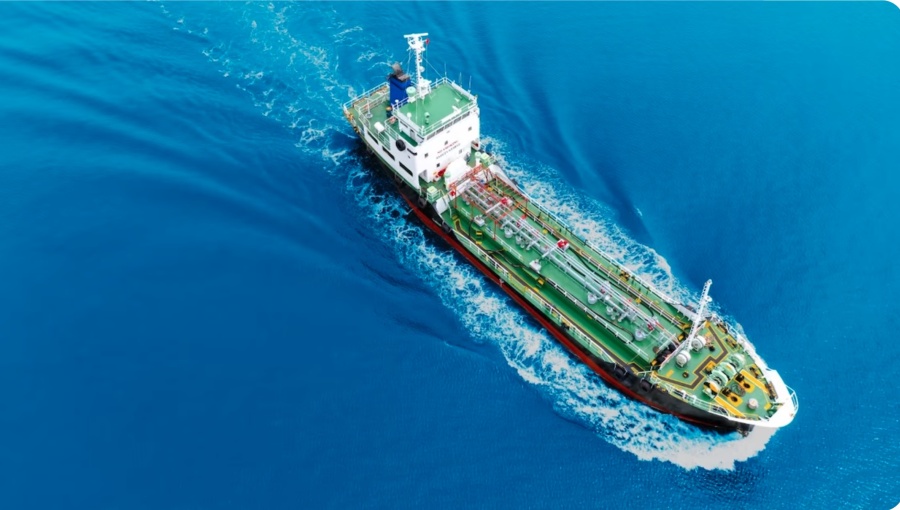
The United States has seized an oil tanker, now known as the Marinera and registered under the Russian flag, after a week-long pursuit, Reuters has reported, citing US officials.
"The seizure, which could stoke tensions with Russia, came after the tanker, originally known as the Bella-1, slipped through a U.S. maritime 'blockade' of sanctioned tankers and rebuffed U.S. Coast Guard efforts to board it," the news agency said in a statement on Wednesday.
Russia sent a submarine and naval assets to escort a rusting oil tanker formerly known as Bella 1, now renamed Marinera, in a significant escalation of maritime tensions with the US, Interfax reported on January 7.
The operation was carried out by the Coast Guard and the US military that has been following the tanker for several days. A Russian warship and a Russian submarine, sent to escort the tanker. were nearby during the operation but did not intervene, according to reports.
The US alleges the seized tanker is part of a global shadow fleet ferrying sanctioned oil, had attempted to dock in Venezuela but failed to load cargo. Despite being empty, the US Coast Guard began pursuing the ship in December as part of a broader crackdown on illicit oil shipments, including black-market crude allegedly sold by Russia.
According to US officials cited by the WSJ, the tanker’s crew repelled a US boarding attempt and fled into the Atlantic, where they hastily painted a Russian flag on the hull, changed the vessel’s name to Marinera, and reflagged it under the Russian registry—moves experts describe as highly irregular.
Russia’s navy is now accompanying the tanker as it sails approximately 300 miles south of Iceland, reportedly en route to Murmansk via the North Sea. Open-source vessel tracking confirms its position in the Eastern Atlantic.
“Once it’s legitimately registered, it gets the protection of the flag under international law,” said retired Rear Admiral Fred Kenney, former director of legal affairs at the International Maritime Organization. “It’s not retroactive—you can’t say it was stateless two weeks ago so we’re going to say it’s stateless now.”
The White House has not commented on the latest developments, but US Southern Command stated on social media that it remained committed to “stand against sanctioned vessels and actors transiting through this region.”
The Russian Foreign Ministry said it was observing the situation “with concern,” according to state agency RIA Novosti. Meanwhile, state-backed broadcaster RT published video footage purportedly from the Marinera showing a US Coast Guard cutter trailing the vessel.
The tanker previously operated under the name Bella 1 and was sanctioned by the US for allegedly carrying Iranian oil on behalf of terrorist-designated entities. At the time of the attempted US interdiction, the vessel was considered stateless and flying a false flag, the White House said, which is illegal under maritime law.
Experts say Russia’s decision to grant the ship a flag without inspection deviates from standard practice.
“Will Russia step in and protect the dark fleet on a regular basis? That would undercut the argument that they have legitimate ties to the vessels,” said William Baumgartner, former judge advocate general and chief counsel for the Coast Guard. “If they repeat this, it does raise the question of whether this is a legitimate change in registry, or if it appears to be done for nefarious reasons,” the Wall Street Journal reports.
Washington has previously seized two other tankers—Skipper and Centuries—linked to the shadow oil fleet. Since Russia’s 2022 invasion of Ukraine and subsequent Western sanctions, the fleet has expanded to more than 1,000 vessels with opaque ownership structures.
In a related story, another US Coast Guard vessel intercepted another tanker linked to Venezuela in Caribbean waters, as the US continues to impose a naval quarantine of vessels from Venezuela that are subject to sanctions, Reuters reports.
Follow us online