
Australia trapped under a “heat dome”, braces for extreme 50°C temperatures
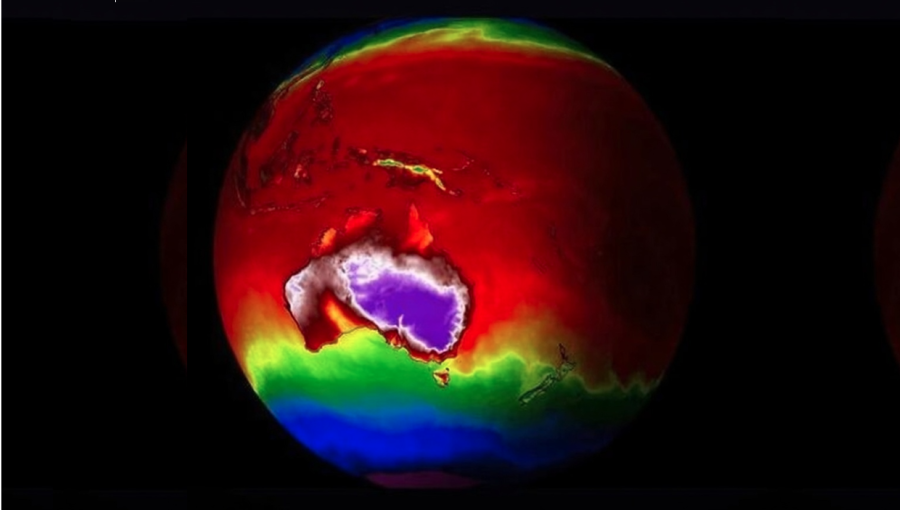
Australia has found itself trapped under a “heat dome” that threats to send temperatures up above 50°C. Authorities are already warning residents to stay indoors during the day.
An intense heatwave has settled over the country as a vast high-pressure system covers the continent, pushing temperatures into extreme territory and prompting authorities to issue catastrophic fire danger warnings across parts of South Australia and Victoria.
Severe Weather Europe reported that the so-called heat dome has effectively sealed the continent, trapping and compressing hot air near the surface. The system has been reinforced by energy from Tropical Cyclone Luana, helping to drive temperatures towards what the forecaster described as “a scorching 50 °C”.
Under a heat dome, sinking air associated with high pressure warms as it descends, suppressing cloud formation and allowing solar radiation to intensify surface heating. AS bne IntelliNews reported, shrinking cloud cover is adding to the earth’s energy imbalance (EEI) and accelerating global heating adding to the greenhouse effect of emissions.
In inland regions where soils are already parched, the lack of moisture also limits evaporative cooling, creating a positive feedback loop in which heat further dries the ground, amplifying temperature extremes, according to meteorologists.
Towns including Ouyen and Mildura are bracing for temperatures approaching 48C. Authorities have warned that the conditions resemble those seen during the infamous 2019-2020 “Black Summer” when bushfires swept the country due to extreme heat. Prolonged heat and drought contributed to blazes that burned more than 24mn hectares and killed 33 people, with many more deaths linked to smoke exposure.
Severe Weather Europe said the event differs from a standard seasonal heatwave because it is being “sustained by a dangerous feedback loop” driven by dry soils and persistent high pressure.
Fire services in affected states have issued danger ratings at the top of their scale under Australia’s warning system, and urged residents in high-risk areas to activate bushfire survival plans. Extreme heat also poses risks to health, infrastructure and electricity networks, particularly in remote communities.
Follow us online