
COMMENT: COP31, another stage for performative environmentalism
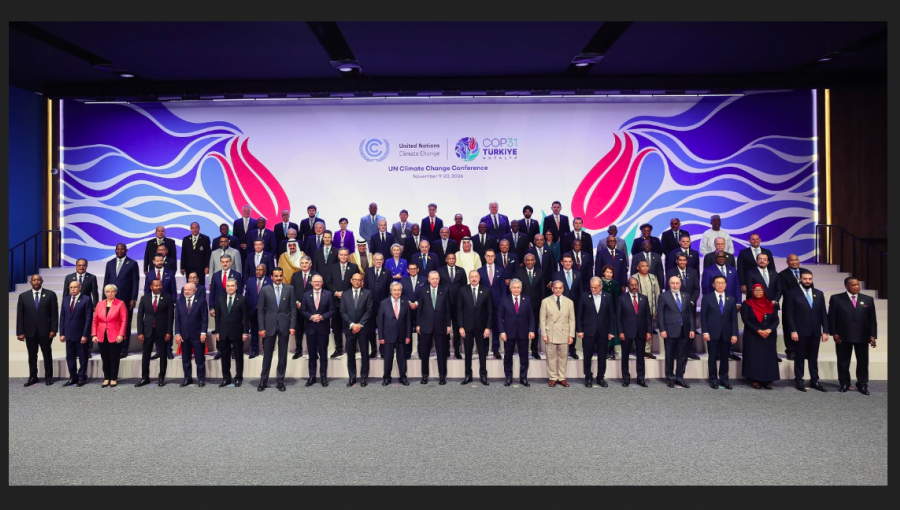
Across more than a million square metres of pavilions, debating halls and curated sustainability showcases on Turkey’s Mediterranean coast, the global climate establishment has once again gathered to release some more carbons.
As the heads of states, financiers and CEOs continue to mingle at the COP31 summit, an uncomfortable question hangs over the proceedings: Is the summit machinery genuinely rescuing the climate or merely managing the political and financial dividends of appearing to do so?
Climate policy has increasingly shifted from being a discipline of measurable action to an exercise in representation. Success is frequently tallied in communiques signed, photo opportunities staged and green-tinted corporate logos unveiled, rather than in tonnes of carbon permanently removed from the atmosphere.
As Caglar Kuzlukluoglu argues in a column for BloombergHT, environmentalism has turned into a "stage performance" and a degenerated public relations slogan.
The sheer scale of the Antalya event, with its vast footprint and long-haul delegates, invites scrutiny over the carbon cost of the diplomacy itself.
Greenwashing. Everybody's at it
"Greenwashing" is a term that was coined to describe polluters who overstate their environmental credentials pitching in investor decks and marketing campaigns. Governments are notable greenwashers. They have turned into corporations that manage national environmental brands much as companies do.
Net-zero pledges, zero-waste initiatives and green infrastructure plans have become vital instruments of soft power and diplomatic prestige. The issue is rarely the promotion of these policies, but the tendency for publicity to outrun execution.
Targeting tension
The headline target atop the COP31 agenda is to raise electricity’s share of global energy consumption to 35% by 2035.
Host city Antalya serves as a microcosm in the targeting tension. The Mediterranean basin is on the front line of climate stress, grappling with acute water scarcity, worsening wildfires, extreme heat and coastal degradation driven in part by mass tourism. Yet the true summit dividend for Antalya is measured in international media coverage or hotel occupancy.
Rapidly financialising ecosystem
Beneath the diplomatic theatre lies a vast, rapidly financialising ecosystem. Green bonds, carbon markets, environmental, social and governance (ESG) frameworks, along with clean-tech capital flows now constitute a multi-trillion-dollar market.
At the same time, climate action has spawned a lucrative "reputation economy". Corporations deploy sustainability metrics to attract institutional capital. Sovereigns use climate commitments to unlock concessional finance. Municipalities polish green credentials to draw investment and tourism.
The central dilemma is that green finance is simply repackaging incumbent business models under a more palatable narrative. Without rigorous verification and enforceable accountability, glossy sustainability disclosures are just well-designed brochures.
In global finance, the ultimate metric is the volume of green assets under management or the ambition of long-dated targets. Yet neither nature nor the working populations bearing the brunt of climate disruption read summit communiques or sustainability disclosures.
“The planet doesn't need public relations strategies but a real transformation,” says Kuzlukoglu.
Too preachy? Let's rebrand, reframe
On November 12, Reuters put out a newsletter with a picture of activist Greta Thunberg talking at a climate event. The headline asked, “Does climate action need a rebrand?”
“Can a rebrand of climate action work? That’s what today’s newsletter seeks to find out as we follow the developments at the COP31 summit in Turkey,” the news agency wrote.
Previously, on November 11, Reuters reported that politicians at COP31 were trying out a new sales pitch for climate action, namely “do it for the economy”.
According to the news service, John Kerry, a former US secretary of state who has been advocating for climate action for “decades,” had said he liked the reframing of the issue.
"I think everybody who is working on climate needs to change the way they talk about it," Kerry told reporters on the summit sidelines.
Previously, in June, in the UK, the veteran politician talked “passionately” about “fixing climate communications” and the need to rebrand climate action during the London Climate Action Week event.
Participants at the event reiterated that the climate industry seemed a little too “preachy” and needed a different approach.
Follow us online