

Kazakhstan tells Ukraine to cease "unacceptable" attacks on its main oil export facility on Russian Black Sea coast
Kazakhstan on November 30 told Ukraine to stop making "unacceptable" attacks on the Russian Black Sea coast terminal that handles the big majority of its oil exports and more than 1% of global oil. It spoke out following a major sea drone attack that damaged loading infrastructure and led to the halting of export shipments.
"We view what has occurred as an action harming the bilateral relations of the Republic of Kazakhstan and Ukraine, and we expect the Ukrainian side to take effective measures to prevent similar incidents in the future," the Kazakh energy ministry said.
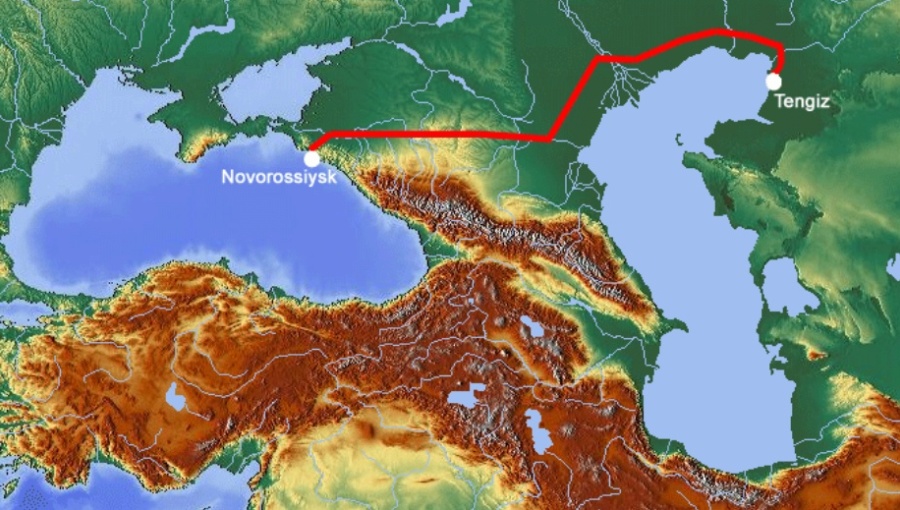
The ministry pointed out that the attacked Caspian Pipeline Consortium (CPC) oil export facility in the vicinity of Novorossiysk was an international energy project. Any forceful action against it posed direct risks to global energy security and caused “significant damage” to the interests of the consortium participants, it said.
CPC’s shareholders include Chevron, ExxonMobil, state-owned KazMunayGas and Russia’s Transneft, which participates on behalf of the Russian Federation.
CPC, which operates a pipeline that takes Kazakh oil from the Caspian region to the oil shipping facilities, suspended loading after one of the three single-point moorings at the terminal was damaged during overnight attacks, Bloomberg reported.
CPC said that a mooring was “significantly damaged” in what it described as “a targeted terrorist attack by unmanned boats”, adding that the facility could no longer operate, the news service’s report said. CPC said all tankers had been withdrawn from the terminal’s waters and that shipments would resume only when threats from unmanned boats and drones had been removed.
Ukraine, meanwhile, appears to have launched a campaign that targets Russian “shadow fleet” oil tankers on the Black Sea and possibly in other maritime locations too.
The energy ministry said it had “urgently activated a plan” to redirect Kazakh oil exports through alternative routes to preserve production rates and minimise disruptions, the Bloomberg report noted.
“The situation is under special control of the government,” the report quoted the ministry as saying.
Ukraine has not commented on the sea drone attack, though its General Staff confirmed a separate air drone strike on Afipsky oil refinery in Russia’s Krasnodar Region on the same night, according to the report.
The CPC terminal faced multiple attacks during November, highlighting its vulnerability as the largest conduit for exports from Kazakhstan’s major fields. The system also transports some Russian crude.
Loading at the terminal normally takes place at two moorings concurrently, each with a capacity of 800,000 barrels per day. With mooring two reportedly disabled and mooring three already offline for planned maintenance, CPC can operate only from mooring one.
The consortium said no injuries or oil spills into the Black Sea were recorded following the attack. Emergency systems were said to have shut down the relevant pipelines immediately after explosions at the mooring, preventing leaks.
Follow us online