
Pattern of tanker missile strikes spread beyond chokepoints as maritime threat reaches ‘critical’ level
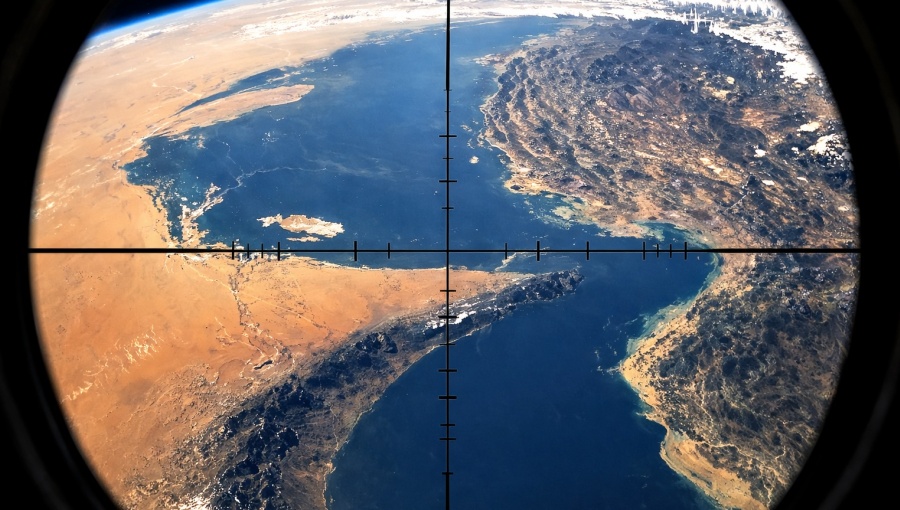
Attacks on commercial vessels across the Persian Gulf and surrounding waters are intensifying and spreading beyond the traditional shipping lane chokepoint in the Straits of Hormuz, maritime security officials warned.
The Joint Maritime Information Center (JMIC) said in its latest advisory that the regional maritime threat level remains “CRITICAL”, with more than 20 security incidents recorded since hostilities began on February 28, G Captain reported on March 13.
Three vessel strikes were reported in the past 24 hours alone, according to the advisory, signalling a widening operational risk for commercial shipping across the Persian Gulf, Strait of Hormuz and Gulf of Oman. The US has backed away from US President Donald Trump’s pledge to provide naval escorts for commercial shipping to pass through the Straits, saying it was “too dangerous to traverse.”
Analysts said the pattern of incidents suggests the campaign is aimed at broad disruption of maritime trade rather than targeting Western operators.
“The incidents involve a wide range of vessel types and flag states, with no consistent pattern of Western ownership linkage,” the advisory said.
Recent attacks indicate that vessels operating outside traditional transit corridors are now also being targeted, including ships at anchor, port approaches and offshore ship-to-ship transfer operations, G Captain reports.
Among the latest incidents, the tanker Zefyros was struck by projectiles while conducting a ship-to-ship transfer about five nautical miles south of Al Basrah, Iraq, leaving the vessel adrift after a fire. The tanker Safesea Vishnu was also hit during the same operation, with its crew abandoning ship and one reported casualty.
Elsewhere, the container ship Source Blessing was struck by a projectile while anchored roughly 35 nautical miles north of Jebel Ali in the United Arab Emirates, triggering a fire on board but causing no reported injuries.
Other vessels damaged in recent days include the container ship Safeen Prestige, hit in the Strait of Hormuz after a suspected explosive attack, the tanker Sonangol Namibe, which suffered cargo hold damage and an oil leak following an explosion in the northern Arabian Gulf, and the container ship One Majesty, struck by a projectile that caused structural damage.
The attacks have also extended to regional energy infrastructure, with drone strikes reported on fuel storage tanks at the Port of Salalah in Oman.
Shipping through the Strait of has slowed sharply, although Tehran is now introducing an informal permits-for-passage scheme, allowing tankers from mostly Asian countries to pass. Iran’s tanker fleet is operating as normal, according to reports, and is currently exporting more oil than it did pre-war. Pre-war some 20mn barrels of oil a day transited the Straits, but with the new permit scheme and the western pipelines to the Red Sea that has fallen to around 10mb/d.
Automatic Identification System (AIS) monitoring cited by JMIC showed only one confirmed commercial cargo vessel transit through the strait in the past 24 hours, compared with a historical average of about 138 daily crossings.
The security situation has been compounded by widespread electronic warfare affecting navigation systems. JMIC said more than 600 incidents of GNSS and GPS interference had been recorded in the past day, causing AIS anomalies, signal degradation and position errors affecting hundreds of vessels.
Mariners have been advised to increase bridge vigilance and rely on radar and visual navigation methods where satellite-based systems prove unreliable.
JMIC warned that the maritime threat environment across the region is likely to remain highly volatile, with continued risks from missiles, drones and unmanned surface vessels, particularly for ships at anchor, offshore energy installations and vessels engaged in ship-to-ship cargo transfers.
Follow us online