
Renewables supply nearly half of EU electricity in 2025
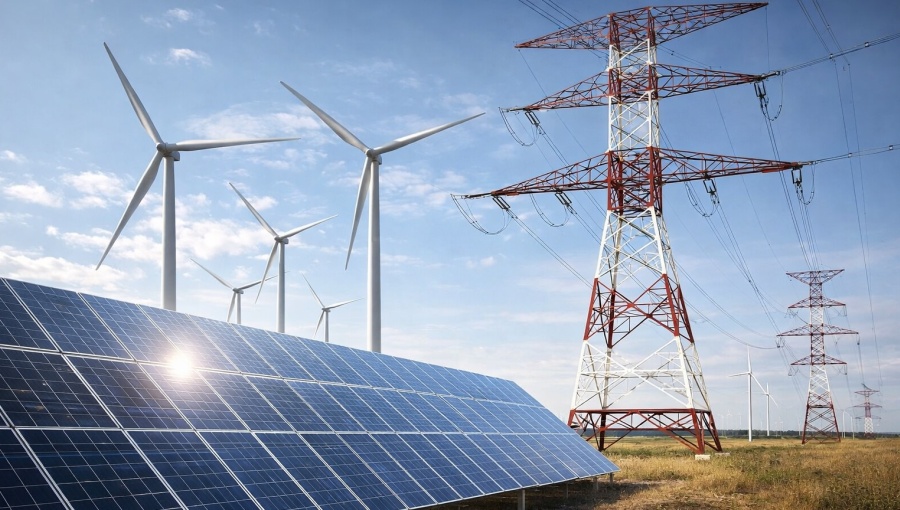
Almost half (47%) of the European Union’s electricity was generated from renewable sources in 2025, according to new data from Eurostat, which will provide a significant buffer at a time when the fossil fuel markets have been plunged into chaos by the start of Operation Epic Fury.
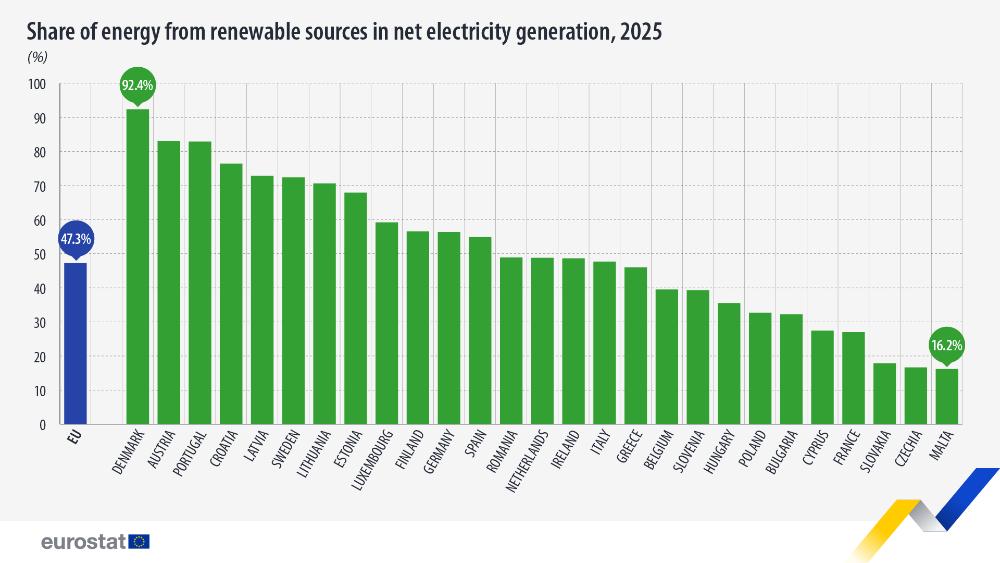
Eurostat reported that 47.3% of electricity generated in the EU last year came from renewables, a marginal increase from 47.2% in 2024. The figures reflect sustained investment in wind and solar capacity, even as hydropower output declined.
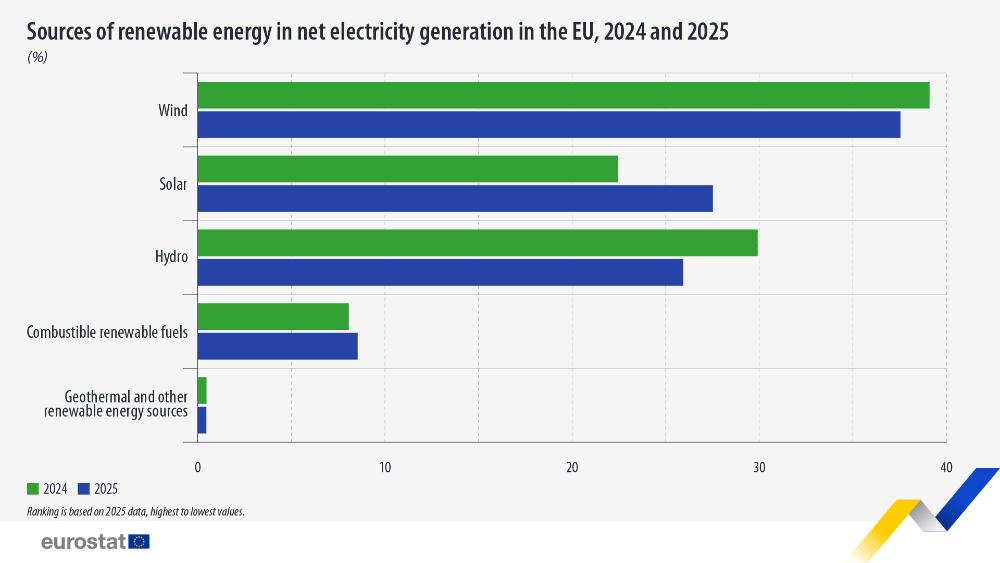
Wind energy remained the dominant renewable source, accounting for 37.5% of renewable electricity generation. Solar followed with 27.5%, while hydro contributed 25.9%. The remainder came from combustible renewable fuels at 8.5% and geothermal and other sources at 0.5%.
Solar power recorded the fastest growth, with output rising by 24.6% compared with the previous year, underscoring rapid deployment across southern Europe and increasing rooftop installations. By contrast, hydroelectric generation fell by 11.8%, reflecting lower rainfall levels in parts of the continent.
The data illustrates widening disparities between EU member states. Denmark led the bloc, with 92.4% of its electricity generated from renewable sources, driven largely by wind power. Austria followed with 83.1%, primarily from hydro, while Portugal reached 82.9%, supported by a mix of hydro and wind.
At the other end of the spectrum, Malta recorded the lowest share at 16.2%, followed by Czechia at 16.6% and Slovakia at 17.8%, reflecting continued reliance on fossil fuels and nuclear energy in parts of central and eastern Europe.
The figures come as the EU pushes towards its legally binding target of climate neutrality by 2050 and a higher share of renewables in its energy mix by 2030. Policymakers have accelerated permitting reforms and investment incentives in recent years to support the rollout of clean energy infrastructure.
Despite the gains, the near-flat year-on-year increase suggests the pace of expansion may need to accelerate further if the bloc is to meet its long-term decarbonisation goals, particularly as electricity demand is expected to rise with the electrification of transport and industry.
However, slow growth has led the European Commission (EC) to backtrack some of the rules in its flagship Green Deal reforms. The agricultural lobby in particular is unhappy with strict emissions regulations which it says makes European food uncompetitive with imports from places like South America.
There are also growing concerns among governments and industry that targets agreed in the early 2020s are colliding with economic, geopolitical and competitiveness realities — a dynamic increasingly visible not only in the ongoing deindustrialisation that started in Germany, but is now spreading to the agriculture sector.
Follow us online