
Rio Tinto’s giant Mongolia copper mine blocked by protesters, exports halted
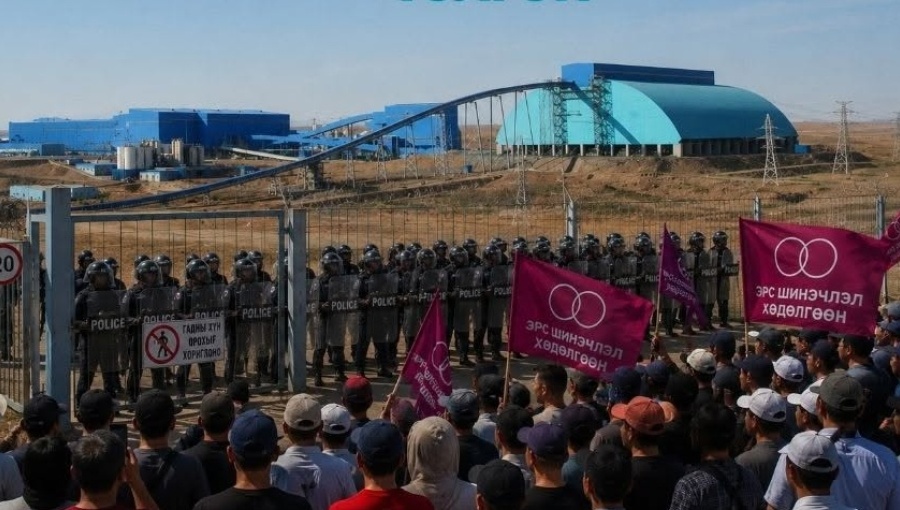
Protesters on June 17 blocked copper concentrate exports from Rio Tinto’s (ASX: RIO) giant Oyu Tolgoi mine in Mongolia’s Gobi Desert.
The Anglo-Australian miner confirmed shipments were disrupted in a statement posted on Facebook.
The demonstration was organised by the Radical Reform Movement. Mining.com reported that it temporarily halted traffic on a two-lane highway used by trucks hauling copper concentrate from the mine to the Chinese border.
In terms of the outlook for global supplies of strategic metal copper, Oyu Tolgoi is one of the most important mines in the world. The project to develop it is costed at around $18bn.
There is a continuous debate in Mongolia as to whether ordinary people are benefitting enough from foreign miners’ development of the country’s vast mineral wealth and other natural resources.
The protesters said they were demanding a larger share of mining revenues for Mongolians. Photos posted online showed a small gathering of demonstrators grouped near a makeshift barrier. A white banner with the words “Stop Rio Tinto” was draped across a tree branch positioned over the roadway in front of a wall of tires. It remains to be seen whether the protest will turn out to have been a one-day demonstration or will evolve into a longer protest.
The Facebook message took the form of a statement from the copper-gold mine, partly owned by the state. It said the protest and blockade meant there was a “risk of not being able to fulfil contractual obligations”.
It added: “Oyu Tolgoi has always respected the right of citizens to freedom of association and expression, met with citizens and non-governmental organisations who raised concerns, responded promptly and emphasised practical communication.
“However, the current situation has the potential to cause significant disruptions to the state budget and to tarnish the reputation of Mongolia and the Mongolian mining sector in the international environment. Therefore, we urge everyone to uphold the common interests of Mongolia and not to hinder the normal and continuous operation of mining operations.”
Expanding industries, including those making electric vehicles (EVs), power grids, solar panels and wind turbines require copper. China is the largest consumer of the metal.
In March, IntelliNews reported on how the Mongolian government had informed Rio Tinto that it wanted a renegotiation of “unfair” commercial terms of the contract that applies to the development of the mine.
In May, IntelliNews Pro reported that Mongolia had struck an agreement with Rio Tinto to cut the project management fee on the development of the mine by half and eliminate overlapping charges.
The Government Media and Public Relations Department said that the agreement was expected to cut costs by $2.2bn and raise Mongolia’s benefits from the megaproject, on course to be one of the biggest copper producing investments in the world, by $1.5bn.
Prime Minister Uchral Nyam-Osor was quoted as stating that “the government has achieved its first successful outcome in the Oyu Tolgoi negotiations”.
Follow us online