
Slovakia declares oil emergency and cuts fuel supplies to Ukraine
The Slovak government has declared an oil emergency and the country’s key refinery, Hungarian MOL-owned Slovnaft, has cut fuel exports to Ukraine to keep its products only for the domestic market.
Slovakia has been facing another disruption of eastern oil supplies via the Russian Druzhba since the end of January, following Russia’s military operations in the east of Ukraine, but reports of the disruption began appearing only since last week.
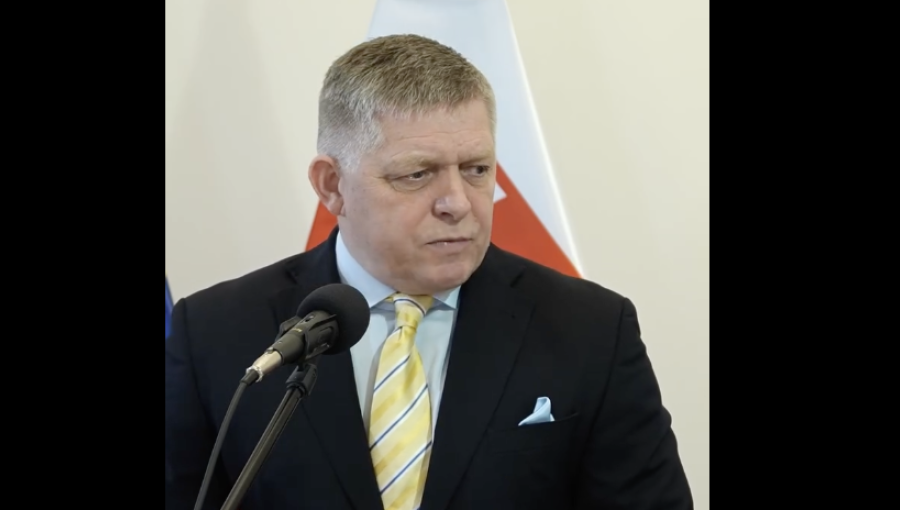
“Slovnaft halts fuel export to Ukraine and any other exports, and everything it now processes in Slovakia will be directed for the domestic market,” Prime Minister Robert Fico told media following a session of his left-right cabinet on February 18. The emergency measures are in effect as of February 19.
The Slovak cabinet also agreed to provide Slovnaft with a loan of up to 250,000 tonnes from the state reserves in exchange for a bank guarantee.
The amount should cover Slovnaft’s operations for at least one month, Slovak state broadcaster STVR reported, and also noted that Slovnaft can process oil from the Croatian Adria pipeline. Switching to full use of Adria would take 20-30 days. Slovnaft needs 7,300-7,500 tonnes of oil a day to secure products for the Slovak market.
In a parallel development, Hungary’s government announced it would halt fuel supplies to Ukraine and will only resume delivery once Ukraine restarts oil transit via the Druzhba pipeline.
Slovnaft remains dependent on Russian oil flow, which it uses for its oil products, and which includes export to other countries. The country has been exempted from the EU ban on Russian oil imports.
Fico also said that Slovakia is not threatened by lack of fuel or lack of oil products, as Slovak state operator of material reserves, SŠHR previously said.
SŠHR stated that “fuel supplies for citizens or for the economy are not threatened in any way,” in a statement released after the meeting of the national NESO Commission for oil security on February 16.
Following media reports of the disruption, Fico joined Budapest in criticising Ukraine, suggesting that Druzhba damages should have been repaired already.
Fico stated, following his talks with US chief diplomat Marco Rubio, who visited Bratislava on February 15, that he views the latest development concerning the Druzhba disruption as “blackmailing Hungary for its uncompromising stance on Ukraine’s EU membership”.
Hungary’s radical rightwing Prime Minister Viktor Orbán previously said he will not back Ukraine’s fast track entry into the EU.
The Czech Press Agency reported that fuel supplies from Slovakia and Hungary to Ukraine account for up to 10% of the overall diesel imports to Ukraine, referring to local fuel specialist Dmytro Lyoushkin. The cuts are not expected to have a significant impact on the prices in Ukraine.
Follow us online