

The world could run out of chocolate by 2050
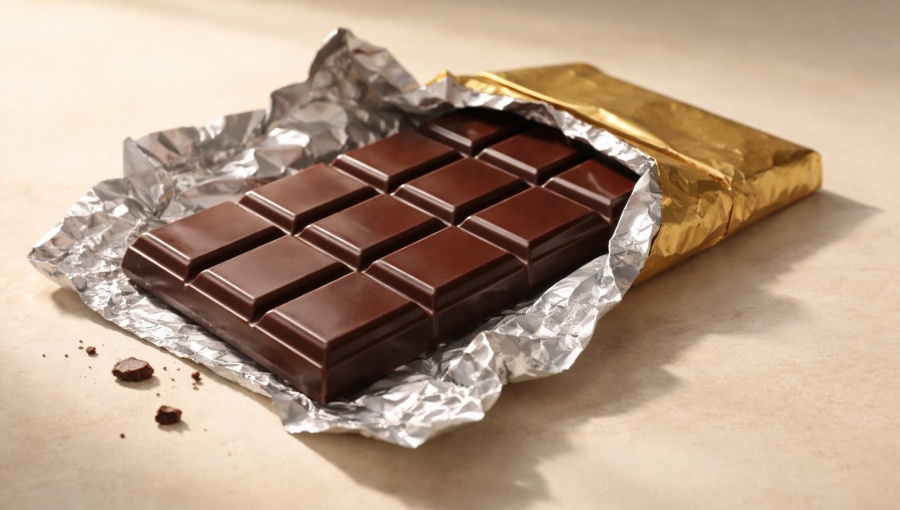
The world could face a severe shortage of chocolate by 2050 as climate change disrupts cocoa production in key growing regions, according to scientific estimates and industry data.
Rising temperatures and declining rainfall in West Africa — particularly in Ghana and Côte d’Ivoire, which together account for up to 70% of global cocoa output — are placing increasing strain on crop yields. Researchers warn that as much as half of the land currently suitable for cocoa cultivation could become unusable within the next 25 years. But over the past two years, cocoa production has plummeted by as much as 40% due to changes in the weather.
The last three years have been the hottest in recorded history and even hotter years are ahead as the Climate Crisis accelerates faster than scientists predicted. For every 1℃ increase in air temperature, the atmosphere is able to hold around seven per cent more moisture, which can cause more intense and heavy rainfall. Cocoa plants love humidity, but they drown if there is too much rain.
That is already dramatically changing rainfall patterns that threaten to turn formerly fertile regions into barren wastelands and make parts of the planet uninhabitable for human life and unproductive for agriculture.
The projected decline reflects cocoa’s sensitivity to climatic conditions. The crop requires a narrow range of temperature, humidity and rainfall, leaving it vulnerable to even modest environmental shifts. Prolonged dry seasons and higher average temperatures have already begun to reduce productivity in some areas.
Ghana raised the price it pays cocoa farmers by more than 60% for the 2025/26 season to pressure top producer Ivory Coast and boost production. Ghana's cocoa industry was on the brink of crisis in 2024 as local Licensed Buying Companies (LBCs) face potential collapse, threatening the livelihoods of smallholder farmers and destabilising the country's cocoa supply chain
The tightening supply outlook has been reflected in global markets. Cocoa prices have surged by more than 400% in recent years, driven by poor harvests and mounting concerns over long-term availability. The sharp increase has added pressure on manufacturers, many of whom have responded by reducing the size of chocolate products while maintaining prices.
Industry participants are also exploring adaptation strategies, including the development of more resilient cocoa varieties and shifting cultivation to higher altitudes. However, such measures face logistical and economic constraints, particularly for smallholder farmers who dominate production in West Africa.
The cocoa belt sits in the band 20 degrees north and south of the equator, where there are the best conditions to grow the cocoa trees, everywhere from Mexico to Fiji. The steady moisture a cocoa tree needs to thrive is being replaced with consistent rainfall along with a climb in temperature as weather patterns move due to global warming.
In 2024 Côte d'Ivoire saw 40% more rain than expected, submerging plantations and damaging crops. By December, the rains had vanished, leaving cocoa trees to wither in scorching heat. In Peru, wildfires destroyed vast areas of farmland, in Mexico, cocoa farming is on the decline as extreme heat and erratic rainfall push young farmers to abandon the industry altogether. And in Brazil, Ecuador, and Indonesia, rising temperatures and unpredictable weather patterns are putting cocoa production at risk.
In addition to climate change, a fungus has plagued cocoa plants in South America for decades. However, scientists from the University of California, UC Berkley, are using CRISPR gene-editing to tweak the DNA of cocoa to make it more disease-resistant, according to reports.
Researchers are already looking for alternatives to keep the billion-dollar chocolate industry going and focused on carob, a climate-resilient plant grown in the Mediterranean that thrives in hot, arid climates with very low water requirements. After roasting, it releases a "unique aroma” that resembles cocoa – but doesn’t quite taste the same. But through the use of enzymes to increase bitterness and enhance sweetness, researchers are hoping to create a viable alternative.
Follow us online