
Watchdog warns EU climate policy risks capture by corporate lobbying
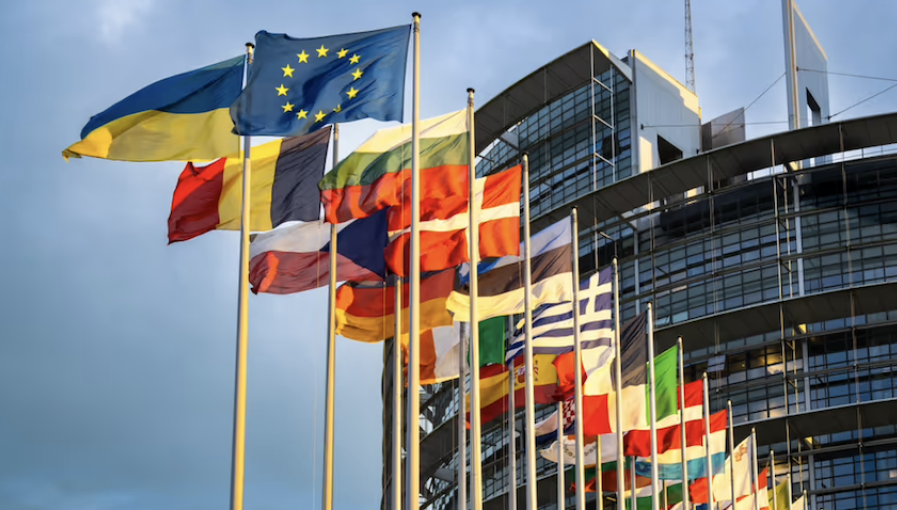
Europe’s climate agenda risks becoming a “lobbyists’ playground” as industry groups are capturing control over changes to the EU’s green legislation, according to a watchdog report cited by Euronews on February 25.
The report says that as Brussels moves from setting ambitious emissions targets to implementing complex sectoral rules, corporate actors are gaining disproportionate influence over the details of policymaking. Campaigners warn that this shift could dilute the European Union’s flagship Green Deal and slow progress towards its legally binding goal of climate neutrality by 2050.
“Europe’s climate policy [is] turning into a lobbyists’ playground,” the watchdog said, pointing to increased access for fossil fuel, automotive and heavy industry representatives during negotiations over key files including carbon pricing, industrial decarbonisation and energy market reform.
The Green Deal has been the EU’s flagship reform for the last decade, but European Commission President Ursula von der Leyen has been forced to soften the initiative since her re-election last year due to the worsening economic performance of the Union. She has begun to roll back some of the restrictions and legislation, especially relating to agriculture, one of the main sources of emissions, under pressure from right-wing groups in the European Parliament.
The European Commission has in recent years advanced sweeping measures under the “Fit for 55” package, designed to cut greenhouse gas emissions by at least 55% by 2030 compared with 1990 levels.
These include reforms to the EU Emissions Trading System (ETS), the introduction of a Carbon Border Adjustment Mechanism (CBAM) and stricter standards for vehicles and buildings. But as these proposals move into the implementation phase, the restrictions are being eased or exceptions and calve outs are being created thanks to lobbying by vested interests, the report claims.
Industry groups argue they are “essential partners” in ensuring the transition remains “competitive.” European manufacturers face higher energy costs than rivals in the US and Asia, particularly following Russia’s full-scale invasion of Ukraine, which triggered a spike in gas prices and forced the EU to accelerate its exit from Russian fossil fuels. The bloc has responded with the Net-Zero Industry Act and more flexible state aid rules to support clean-tech investment.
Critics, however, say the balance of influence is skewed. The watchdog report highlights what it describes as privileged access for corporate lobbyists in technical working groups and consultations, as well as a growing focus on carbon capture and storage and hydrogen projects favoured by incumbent energy companies.
The debate comes at a sensitive political moment. Several member states face elections in 2026–27, and concerns about industrial competitiveness and consumer energy bills are reshaping climate politics. Farmers’ protests and pushback against environmental regulation have already prompted the Commission to soften or delay certain measures last year.
Green restrictions have also undermined a Mercosur trade deal as European farmers complain that Latin American farmers don’t face the same stiff regulatory controls as European farmers and so can produce agri-goods at lower cost. That deal has now become snarled up in legal challenges that will delay its implementation by at least two years.
Supporters of the Green Deal argue that robust climate policy is itself a competitiveness strategy, attracting investment in renewables, batteries and electric vehicles. The International Energy Agency estimates that clean energy investment in the EU has risen sharply since 2020, although it still trails China in scale.
The European Commission has repeatedly defended its consultation processes as transparent and inclusive, stressing that engagement with industry is necessary to design workable regulation. But as the EU moves from setting targets to enforcing them, the tension between ambition and implementation is likely to intensify.
Follow us online