
COMMENT: Ukraine may take the war to Russian LNG
Ukraine’s widening drone campaign against Russian energy infrastructure raises the prospect that Kyiv could shift some of its focus from refineries and oil logistics to LNG assets, which have largely remained untouched.
Kyiv has been intensifying attacks on Russian oil refineries in recent months, causing fuel shortages across the country. The frequency of strikes is likely to be maintained, with Ukrainian President Volodymyr Zelenskiy declaring on June 26 a 40-day operation against Russian energy targets “to influence the aggressor state in order to press for an end to the war.”
Among the most notable attacks was one on the Moscow oil refinery on June 18, which has reportedly rendered the plant responsible for 40% of the capital’s fuel inoperable for the rest of this year.
Oil infrastructure will remain Ukraine’s priority target. Russian refineries, oil depots and terminals have a more immediate link to the war effort and military logistics, while also bringing the war home to everyday Russian motorists. But Kyiv might also widen its campaign to LNG to increase the economic and budgetary cost to Moscow.
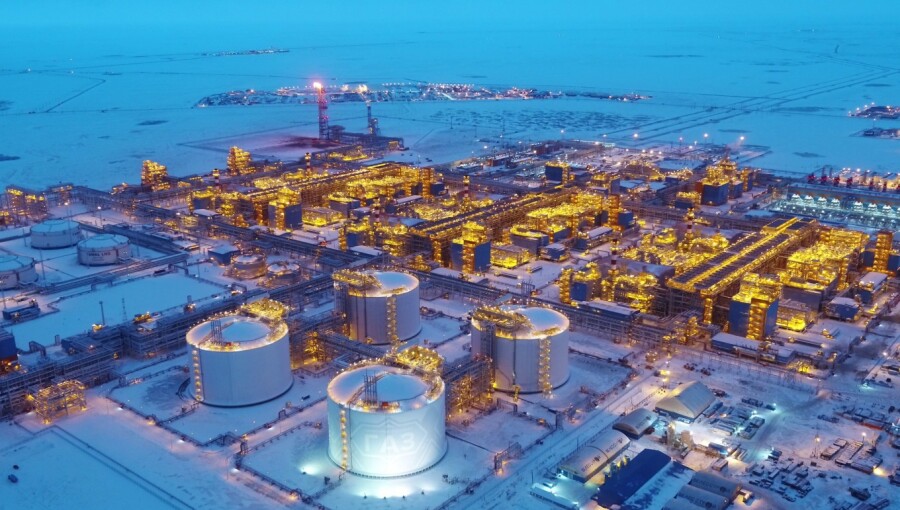
Ukraine has so far avoided LNG targets, likely because of pressure from its Western allies, who fear what impact this would have on the global market. For this reason, the US and its European allies avoided sanctions on most of Russia’s operational LNG capacity, including the 17mn tonne-per-year Yamal LNG plant in the Arctic, primarily serving Europe, and the 11mn-tpy Sakhalin LNG plant in the Far East, which sends most of its gas to Japan. Instead, sanctions have only been applied to smaller Russian liquefaction facilities and the recently launched 20mn-tpy Arctic LNG-2 terminal.
Europe would be particularly exposed to any disruption in Russian LNG supplies. Even though the EU has committed to phasing out all remaining Russian gas by the end of 2027, its imports of Russian LNG remain stubbornly high – they rose a further 4% in May, despite a ban on short-term supply contracts coming into force on April 25. This was largely driven by Spain doubling its imports from Russia during the month.
LNG prices have subsided since the height of the US-Iran war, but still remain elevated compared with pre-conflict levels. In Europe, the main TTF gas benchmark is still trading a third higher. Yet if the EU is effective at weaning itself off Russian LNG over the coming months, Ukraine may have greater room to target Russian LNG facilities and tankers without risking a severe backlash from European buyers.
Meanwhile, Ukraine may strike these assets anyway, if it can. Kyiv has ignored pressure from its Western allies before – including by targeting Russian oil export terminals in April and previously tankers in the Black Sea, even as global oil prices were soaring as a result of Iran’s closure of the Strait of Hormuz.
As far as attacks on Russian LNG tankers go, there is already a precedent. On March 4, Ukrainian sea drones struck the Arctic Metagaz carrier in the Mediterranean, causing extensive damage. The Metagaz was part of the shadow fleet of LNG tankers that Russia is using to export cargoes from the sanctioned Arctic LNG-2 project. Other vessels could also be at risk, particularly when sailing to Asia via longer southern routes rather than heading east through the Northern Sea Route. But that risk may ease over the summer as the Arctic route opens up, allowing Russia to send more cargoes directly eastward through its own northern waters.
Kyiv’s attention could therefore turn to Russia’s liquefaction facilities. The most exposed projects are Gazprom’s 1.5mn-tpy Portovaya LNG plant and Novatek’s 1mn-tpy Cryogas-Vysotsk terminal in the Leningrad region of northwest Russia. Both projects are already under Western sanctions, eliminating the risk of disruptions to European supply and reducing the likelihood of Western anger at Ukraine for targeting them.
Improvements in Ukrainian drone capability also raise the prospect of potential attacks on Russia’s distant Arctic LNG-2 and Yamal LNG facilities as well. Following a drone strike against an oil refinery in Russia’s Western Siberian region of Tyumen, over 2,000 km from Ukraine, Zelenskiy claimed on June 21 that they could now hit targets up to 3,000 km away. If true, that would put both Arctic LNG-2 and Yamal LNG just within range.
That does not mean Ukraine could necessarily cause any significant damage to either facility. A drone’s headline range is not the same as guaranteed operational reach. Payload, weather and air defences all matter. The further the target, the harder it becomes to deliver meaningful damage repeatedly. But the strategic implication is significant: Russia can no longer assume distance alone protects its LNG assets.
In short, strikes on either the Portovaya or Vysotsk facilities would have a limited global impact, and a strike on Arctic LNG-2 would only affect some shipments to China — only two of the terminal’s three trains are online, exporting under 4mn tpy of LNG, exclusively to a single Chinese port. But an attack on Yamal LNG would be a market-shaking scenario, particularly for Europe. Almost all of the Russian LNG that the EU still imports comes from this one plant, meaning that even an outage lasting weeks would have a significant impact on European prices and the continent’s supply security, at least until the EU can make meaningful progress in phasing out remaining supply.
Follow us online