



COP31 co-presidents Turkey and Australia two of world’s worst coal culprits, shows report
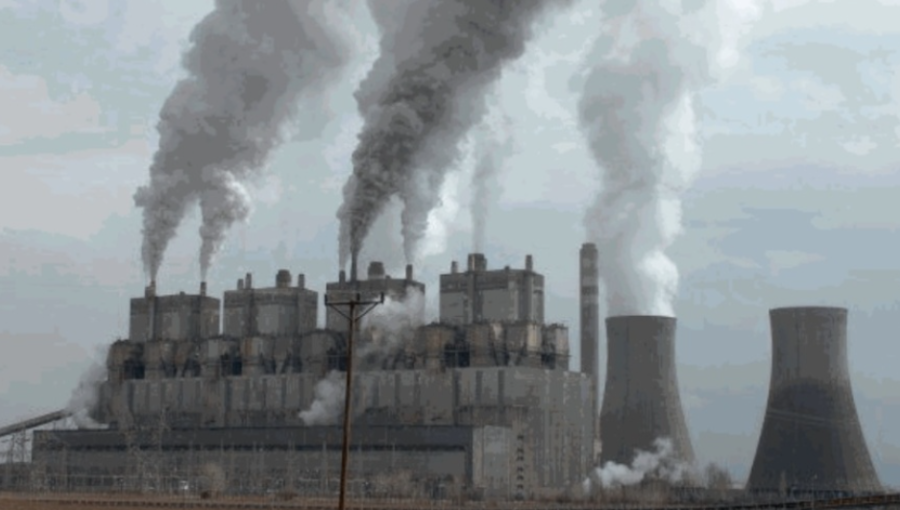
Turkey and Australia, co-presidents of the upcoming United Nations COP31 climate summit, are connected by a coal supply chain responsible for more than 75mn tonnes of CO₂ emissions since the signing of the landmark 2015 Paris Agreement on climate action, reveals a new report released on October 4 by 350.org.
The report, compiled with UN Comtrade data, also shows that the two countries are not only retaining their bilateral coal ties, they are also expanding fossil fuels by broadening their trade into liquefied natural gas (LNG).
In May 2024, IntelliNews reported on how Turkey had overtaken Germany to become Europe’s top user of coal in the production of electricity.
350.org, an international environmental organisation and grassroots climate movement, warned that entrenched fossil fuel interests compromise Australia and Turkey’s willingness to lead the transition away from fossil fuels despite COP31 happening amidst the biggest fossil fuel crisis in history.
The group pointed out that Turkey has lately proposed the expansion of the CENAL coal power plant in Karabiga, Canakkale. It would add 1,050 MW of new coal capacity to an existing 1,320 MW plant and lock in further dependence on imported coal, it said.
Efe Baysal, 350.org Türkiye manager, said: “By hosting COP31, Türkiye has a chance – and a duty – to show that climate leadership starts at home. But Türkiye still generates more coal power than any other country in Europe, with no phase-out date in sight.
“Recent growth in wind and solar power shows the country can move in a better direction to strengthen energy security and shield families from fossil fuel price shocks. COP31 gives Türkiye a platform to build on that progress. It must now act to stop new coal projects, set a clear date to phase out coal, and lay out a credible national plan to leave fossil fuels behind.”
350.org called on both Turkey and Australia to announce national plans to transition away from fossil fuels, with the inclusion of planned coal phase-out dates. Both Turkey and Australia are among the very few industrialised countries without such a specified announced schedule.
The report has been released ahead of the preparatory Pre-COP to the 2026 UN Climate Change Conference, which is being held on South Pacific Ocean island nation Fiji.
Australia is the second largest coal exporter in the world and is dominant in the global coal expansion, accounting for 56% of the global coal mine project pipeline. Turkey’s energy plan envisages roughly 30% more coal and gas power capacity by 2035, said 350.org.
The COP31 summit, which will take place in the Turkish Mediterranean city of Antalya, is just a month away. Australia will serve as “president of negotiations”.
Australia’s prime minister, Anthony Albanese, is expected to join representatives of more than 50 countries for the pre-COP, where the plight of low-lying island nations exposed to rising sea levels will be high on the agenda.
COP31 co-presidents Turkey and Australia have largely ignored fossil fuels – the primary cause of the climate crisis – in public statements made before the summit, according to 350.org. Three letters to countries outlining the summit mission, two from the Turkish government and one joint letter with the Australians, did not mention fossil fuels. Albanese, meanwhile, did not mention fossil fuels in a keynote speech at Climate Week in New York two weeks ago, according to the Guardian.
Andreas Sieber, 350.org head of political strategy, concluded: “As people are hit by soaring oil prices and horrible climate impacts, the presidencies of COP31 keep ignoring the core problem, fossil fuels. Our report exposes that Türkiye and Australia are bound together by a dirty coal trade whose emissions exceed those of many developing countries, while both continue to expand fossil fuels incompatible with the Paris Agreement they are tasked to shepherd.
“Prime Minister Albanese and [Turkish] President Recep Tayyip Erdogan should start announcing overdue coal phase out dates at home. Both should also lay out a clear indication that COP31 will address the core problem behind climate breakdown and volatile energy bills: our dependence on fossil fuels.”
Follow us online