

Half the world’s energy will come from renewables, nuclear by 2030 - IEA
The International Energy Agency warned that while global electricity demand is set to surge over the next three years, the benefits of clean energy investment and rising renewable output remain unevenly distributed, threatening to deepen the divide between advanced and developing economies.
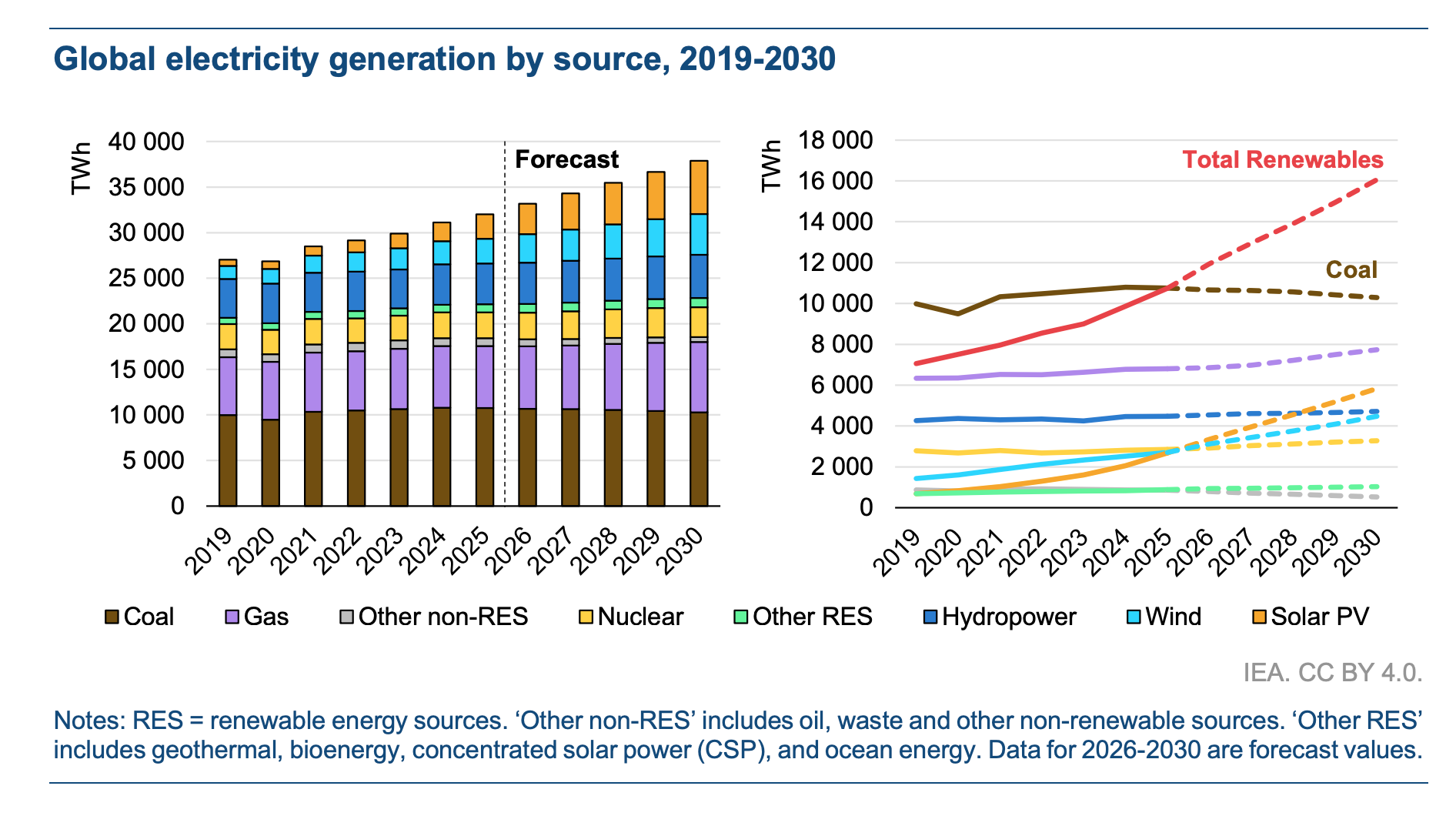
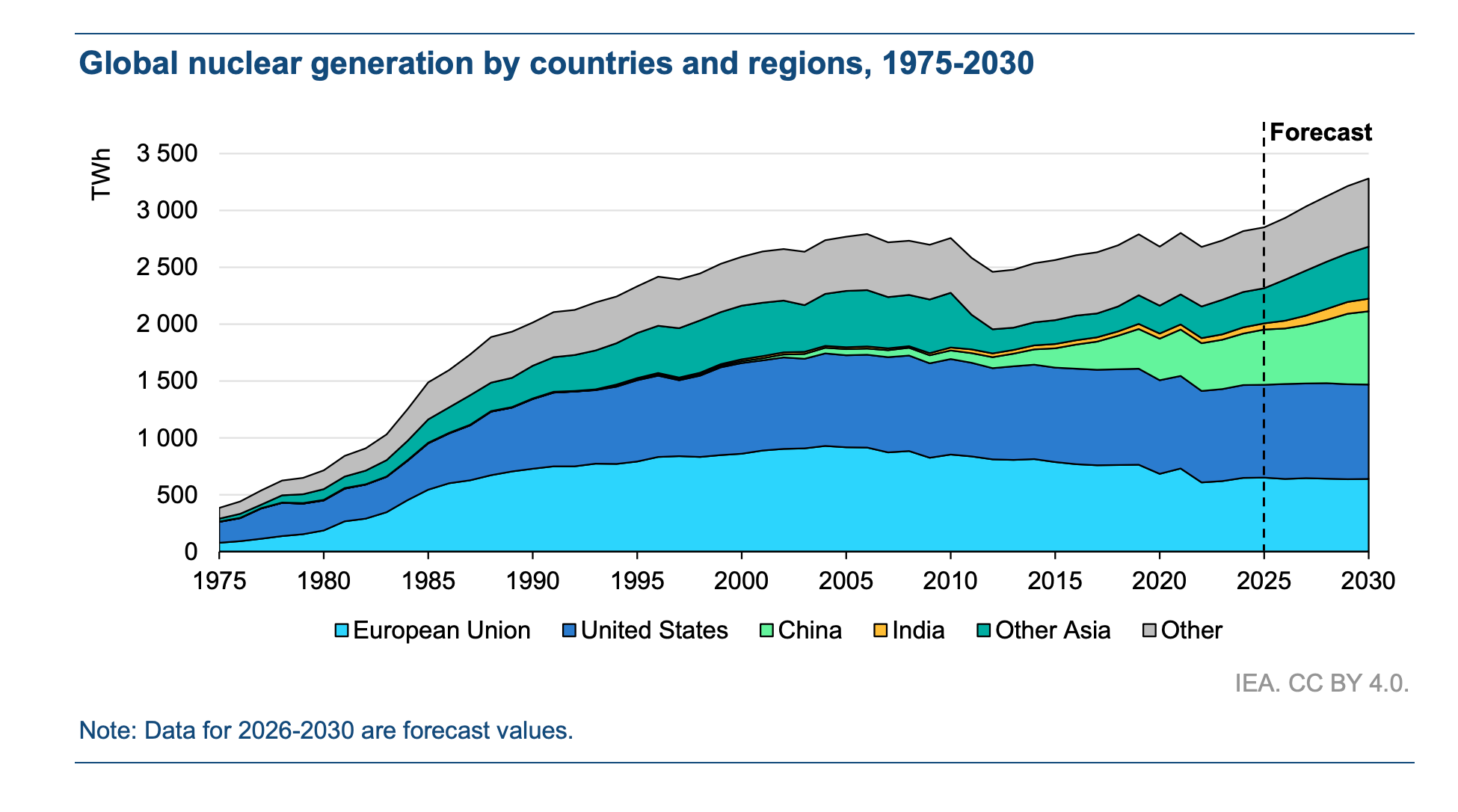
The “Age of Electricity” is here and half the world’s power will be generated by renewables and nuclear power plants (NPPs) by 2030, the IES says in its latest “Electricity 2026” report.
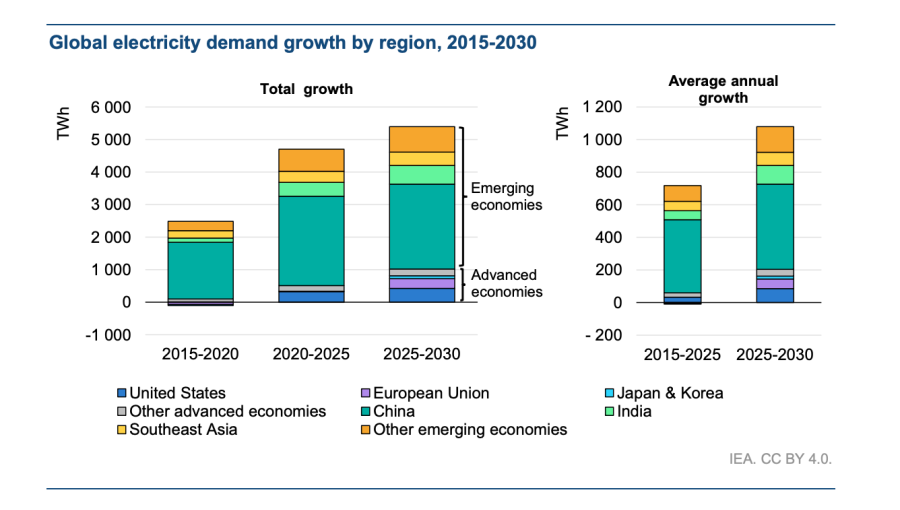
The IEA projected that global electricity demand will grow by nearly 3.4% annually through 2026, with demand from emerging and developing economies—particularly in Asia—driving most of the increase. However, the agency cautioned that infrastructure constraints, financing gaps, and persistent energy poverty risk leaving large parts of the Global South behind.
“We are seeing two very different realities emerging in electricity markets,” the IEA said. “In advanced economies, growth in demand is modest, while renewables are increasingly supplying that growth. But in many developing economies, electricity demand is rising rapidly and grid investment is struggling to keep up.”
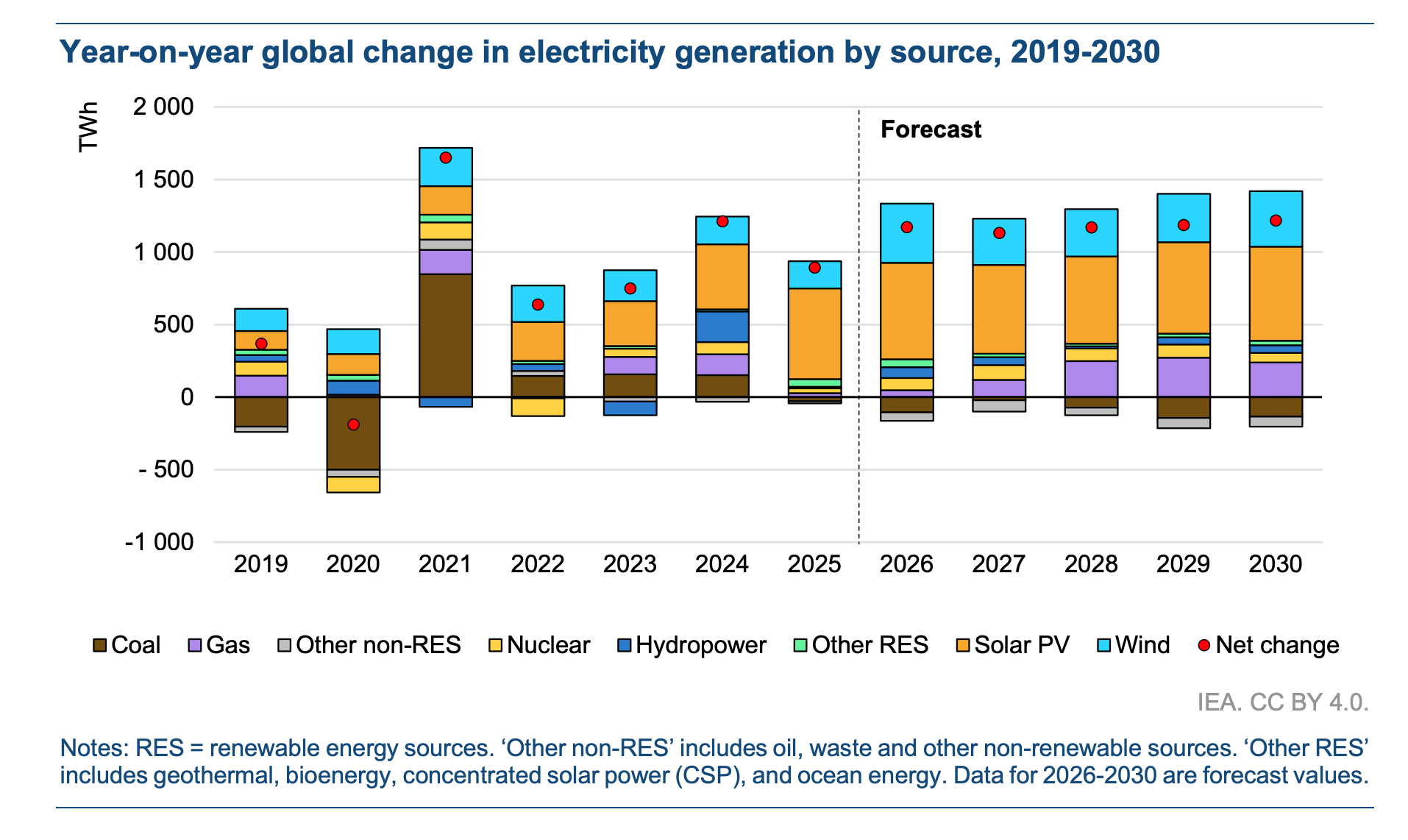
By 2025, the report forecasts that more than one-third of global electricity generation will come from renewables, with solar PV and wind accounting for the bulk of new capacity additions. The share of low-emissions generation—including renewables and nuclear—is expected to rise from 39% in 2023 to 50% by 2026, largely displacing coal-fired generation in major economies such as China and the US.
“Electricity is becoming cleaner, thanks to the spectacular growth of renewables,” the agency stated. “But the pace of change remains too slow in regions most in need of affordable and reliable power.”
China alone is expected to account for over one-third of global electricity demand growth through 2026, followed by India and Southeast Asia. However, the IEA highlighted that Africa, home to nearly 600mn people without access to electricity, continues to face chronic underinvestment in power infrastructure.
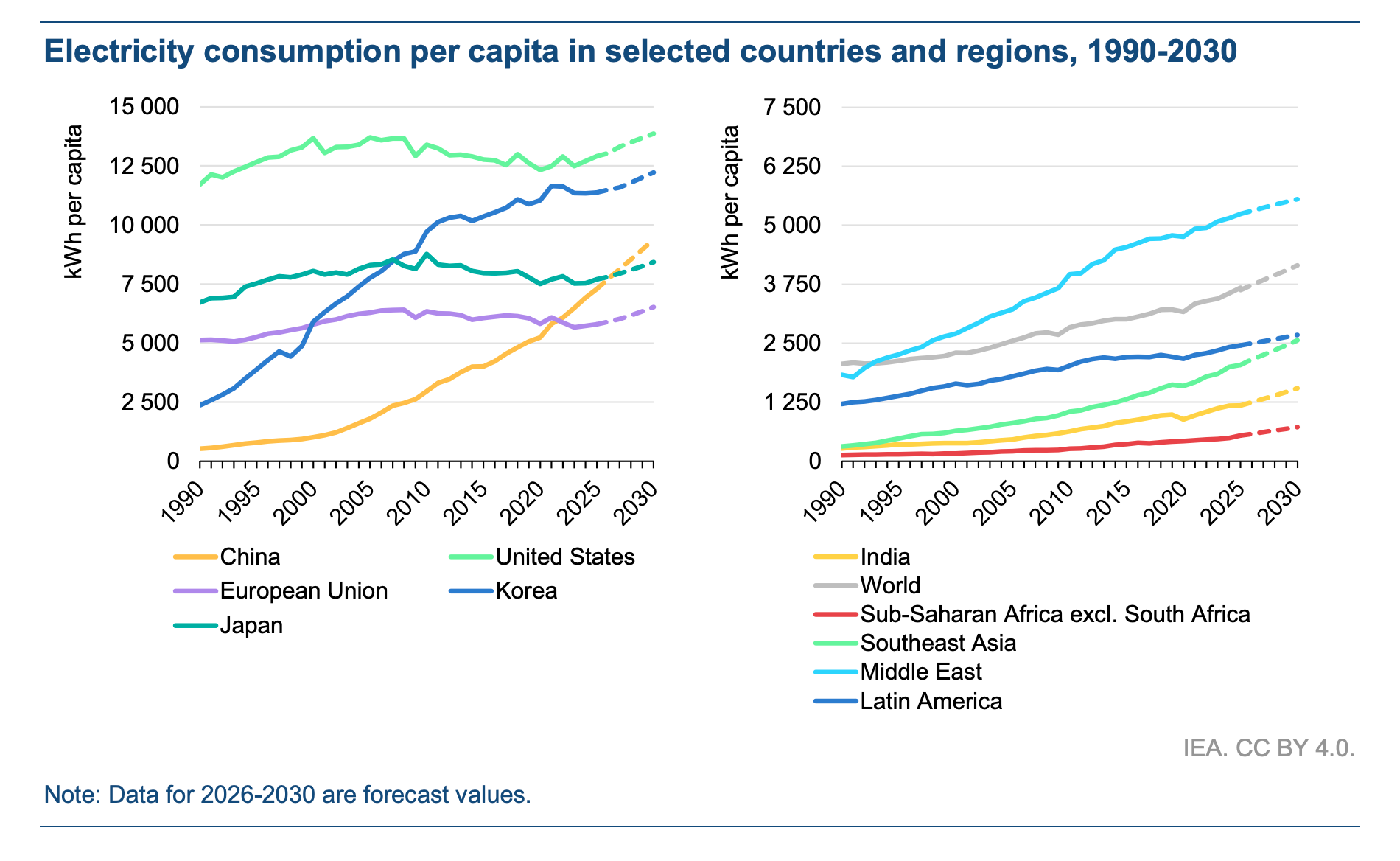
“Sub-Saharan Africa is the only region where electricity demand is expected to remain below pre-pandemic levels in 2026,” the IEA warned. “This underlines the urgent need for greater international support.”
The agency also noted that extreme weather events—linked to climate change—have added volatility to power markets. “Heatwaves, droughts, and cold snaps are creating new operational challenges for grids, especially where backup generation is limited,” the report said.
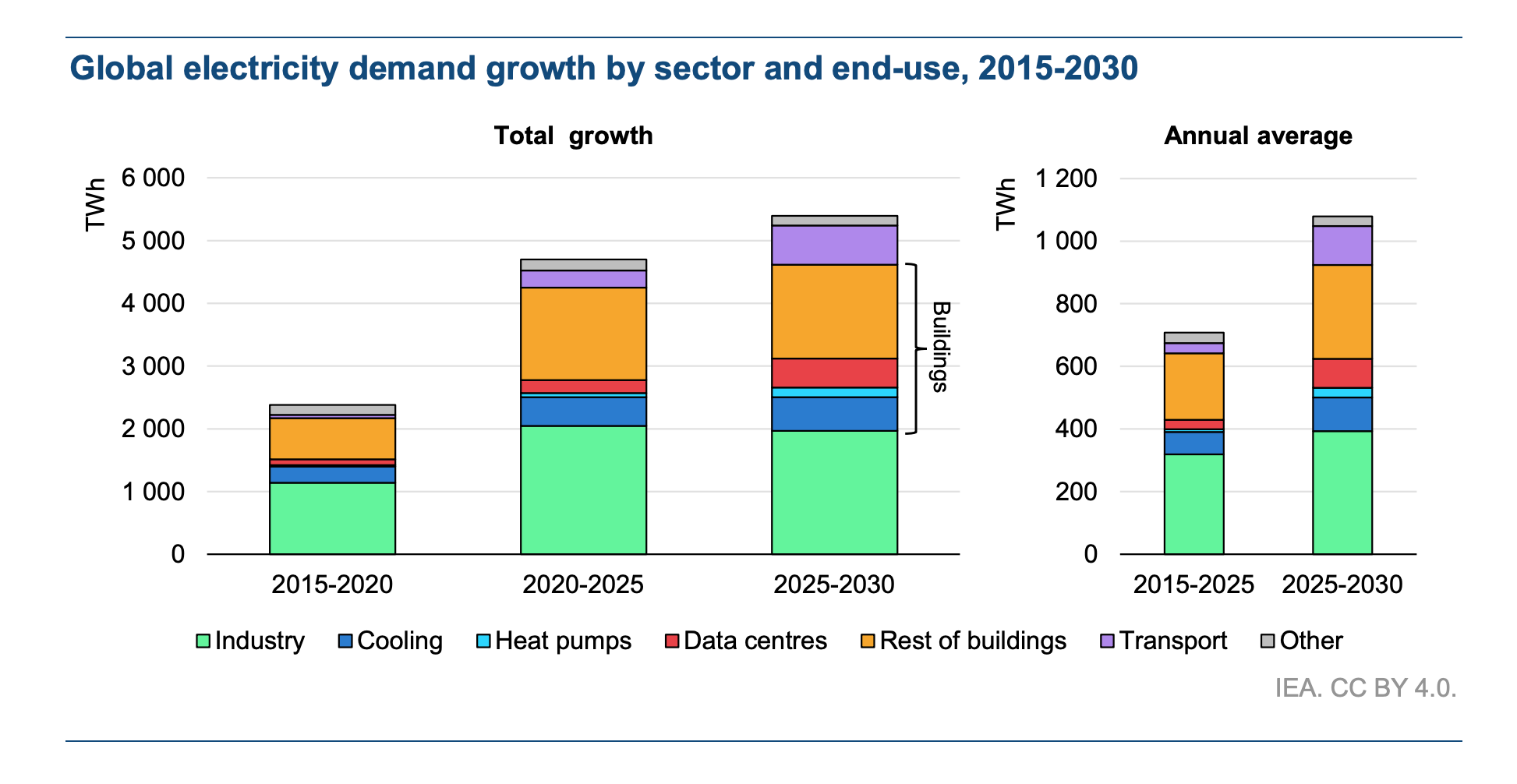
In advanced economies, electrification of transport, heating and industry is expected to continue driving demand, though energy efficiency gains and economic uncertainty may limit overall growth. Europe, in particular, is expected to see relatively flat electricity demand due to high prices and slower industrial activity.
To meet rising global demand and decarbonisation targets, the IEA estimates that annual investment in electricity networks must increase by more than 50% by 2030, reaching nearly $600bn globally per year.
“Without faster grid expansion and stronger investment in emerging markets, the global energy transition risks becoming a tale of two worlds,” the agency concluded.
Follow us online