
Samsung develops a solid-state silver-carbon battery breakthrough
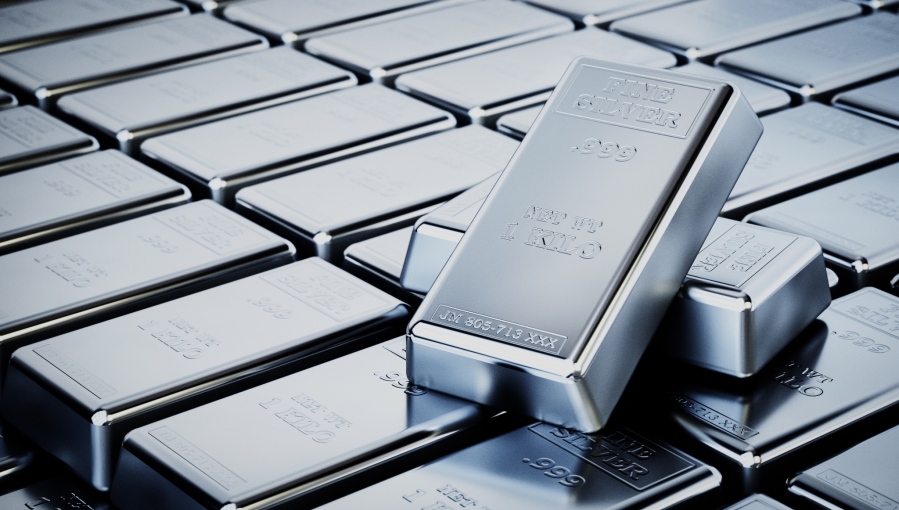
Samsung’s development of a solid-state battery using silver as a core material could prove a disruptive moment for the electric vehicle industry, with potentially significant implications for global silver demand.
The South Korean group has unveiled a prototype solid-state “silver-carbon” battery that promises substantial improvements over conventional lithium-ion technology. According to company disclosures and industry reports, the new design requires roughly 1 kilogram of silver per 100 kilowatt-hours of capacity, compared with about 20 grams used in today’s lithium-ion batteries.
The performance claims are equally striking. The battery is said to deliver approximately twice the driving range of current EV batteries, charge around four times faster and last roughly twice as long, while offering enhanced safety through the use of a solid electrolyte rather than a flammable liquid.
If commercialised at scale, even incremental adoption could reverberate through commodity markets. A typical EV battery pack of 100 kWh could contain about 1 kg of silver under Samsung’s design. A doubling of range could imply around 2 kg of silver per vehicle, depending on configuration. That additional material cost could be offset by the longer lifespan of the battery, potentially avoiding a replacement that can cost upwards of $14,000 in some markets.
China has also reported developing a sodium-ion based battery, to compete with the widely used lithium-ion batteries, making use of the much more abundant and easily accessible sodium metal that would also bring the cost of batteries down further.
The more immediate impact of Samsung’s silver battery would be on silver demand. Global EV production exceeded 14mn vehicles last year, according to industry estimates. If just 10% of annual output adopted a silver-intensive solid-state design, that could add roughly 55mn ounces of annual silver demand. The global silver market has already recorded deficits for six consecutive years, according to data from the Silver Institute, as industrial demand — including solar panel manufacturing and electronics — has outpaced mine supply.
Silver prices have been supported in recent years by robust photovoltaic demand, where the metal is used in conductive pastes for solar cells. An additional structural source of demand from EV batteries would compound those pressures, particularly if adoption were to accelerate beyond early premium models.
Solid-state batteries have long been viewed as a “holy grail” for the EV sector, promising higher energy density and improved safety. Toyota, QuantumScape and other groups are also racing to commercialise the technology. The main obstacles remain cost, scalability and manufacturing reliability.
For automakers, the prize is clear: longer range, faster charging and improved durability — all factors that address consumer concerns around EV adoption. For metals markets, the implications may be equally profound if silver becomes a critical input in next-generation energy storage.
Much will depend on whether Samsung can move from prototype to mass production at competitive cost. But if the technology delivers on its claims, it could reshape both battery economics and the structure of global silver demand.
Follow us online