
Solid-state sodium batteries breakthrough to challenge lithium dominance with safer, cheaper alternative
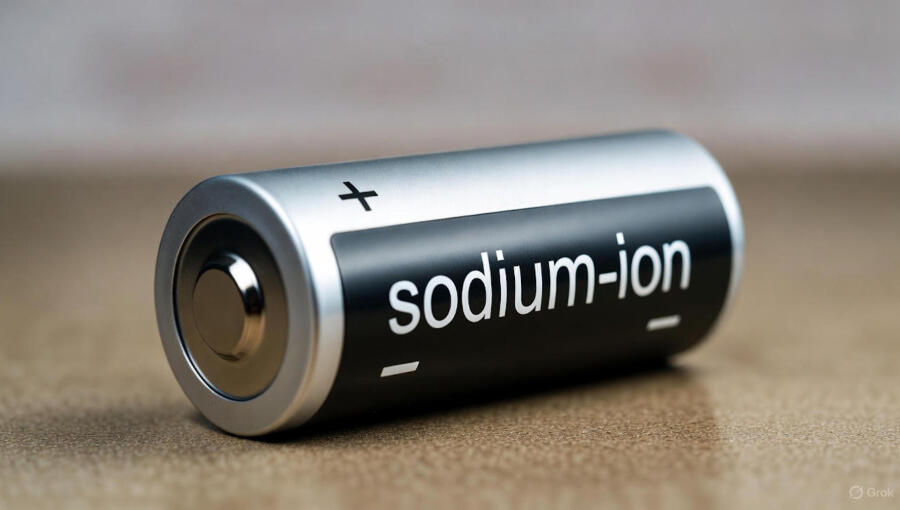
A new class of solid-state sodium-ion batteries could reshape the future of electric vehicles and renewable energy storage that may replace the dominant lithium batteries and solve several headaches along the way.
Sodium-ion (Na-ion) batteries offer a safer, lower-cost alternative to the lithium-ion systems that currently dominate the business, according to recent studies published in Advanced Materials and Advanced Functional Materials.
The long-sought breakthrough outlines a novel solid-state battery architecture that achieves 99.26% efficiency after 600 charge cycles, while eliminating lithium, cobalt, and flammable liquid electrolytes — long-standing weaknesses in current lithium-ion (Li-ion) designs.
The new batteries use a solid electrolyte based on sulphur and chlorine that mimics the conductive performance of liquid systems while offering dramatically improved thermal stability. Unlike conventional Li-ion cells, which are prone to thermal runaway and catching fire, sodium-ion batteries have lower electrochemical potential and more stable cathode materials, making them far less susceptible to overheating.
The potential implications are significant. Li-ion batteries currently account for roughly 70% of the world’s rechargeable batteries, with the energy sector alone consuming over 90% of global supply, according to data from the International Energy Agency.
Their role in battery energy storage systems (BESS) — which store intermittent solar and wind power — that is part of the current battery revolution, has come under scrutiny recently following a series of fires at US grid storage sites, particularly in California. A move to Na-ion will end this problem while lowering the already tumbling costs further.
However, the biggest advantage is the wide availability of sodium, one half of the regular table salt molecule. By contrast, lithium ore deposits, the sister element of sodium in the first group in the periodic table, are relatively rare and the ore is difficult and expensive to process. There are major deposits in Bolivia, Argentina, Chile, Australia and China. In Europe, Ukraine holds one third of, as yet untapped, European deposits.
Historically Na-ion batteries have lagged behind lithium in energy density and cycle life, limiting their commercial uptake. However, the new research brings sodium cells closer to the performance levels needed for widespread adoption. The next step will be to balance safety with energy output, and to find manufacturing processes that can scale to meet global demand.
As part of its green energy dominance agenda, China is already moving aggressively in this direction. In April 2025, battery giant CATL announced it had begun mass-producing Na-ion batteries using its new “Naxtra” platform, with deployment in cars expected from 2026. Chinese automaker BYD is also developing Na-ion systems for grid storage.
Sodium’s availability also contributes to lower costs and simpler recycling, with no cobalt or heavy metals involved. As one researcher noted: “No cobalt, no lithium, no drama.”
Still, the challenge of manufacturing Na-ion batteries at commercial scale remains to be overcome. Experts caution that, while the material-level breakthroughs are promising, real-world deployment hinges on economies of scale, supply chain development, and integration with existing vehicle and grid architectures.
Follow us online