


Vietnam expands wind power ambitions for 2030
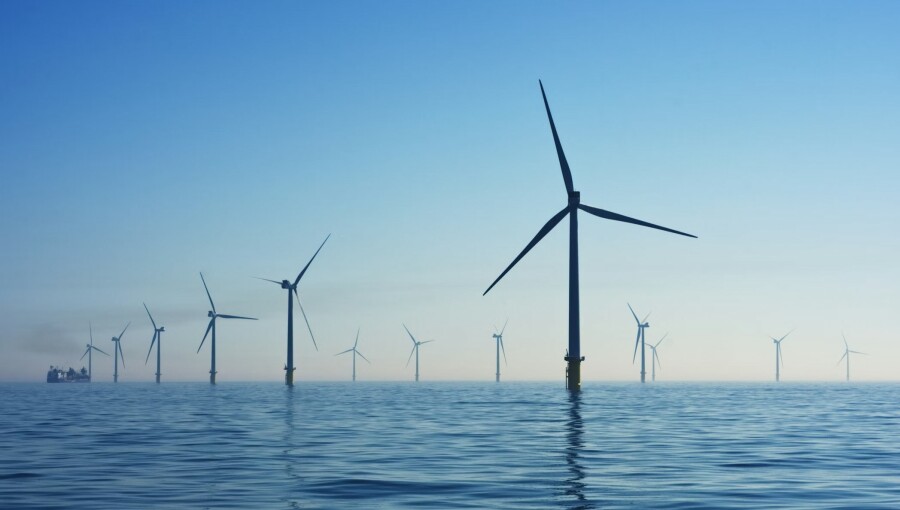
Vietnam is betting on wind power to fuel its green transition amid ongoing energy uncertainty.
Under the National Power Development Plan VIII (PDP8), the country aims to install between 26 and 38 gigawatts (GW) of onshore wind capacity and around 6 GW of offshore wind power by 2030. The targets support Vietnam’s commitment to achieving net-zero emissions by 2050 while strengthening energy security and attracting investment, according to VnEconomy.
Speaking at the APAC Wind Energy Summit 2026 in Hanoi, industry representatives said Vietnam has the potential to become one of Southeast Asia’s leading wind energy markets if supportive policies are effectively implemented.
According to the Global Wind Energy Council (GWEC), Vietnam possesses offshore wind resources estimated at around 600 GW. Much of this potential lies in shallow coastal waters, allowing developers to use fixed-foundation technology, which is generally less costly than floating systems used in countries such as Japan and South Korea.
Experts believe the onshore wind target is achievable, provided the government maintains clear regulations, encourages investment and strengthens domestic supply chains. With electricity demand continuing to grow rapidly, wind energy is expected to play an increasingly important role in the national power mix.
Investors also point to Vietnam’s long coastline, favourable wind conditions and expanding economy as major advantages. Growing demand for renewable electricity from manufacturers relocating supply chains to Vietnam is creating additional opportunities for the sector.
After rapid growth under the Feed-in Tariff (FiT) scheme introduced in 2018, the industry slowed as investors awaited new policy mechanisms and regulatory clarity. Vietnam currently has more than 5.5 GW of operational onshore and nearshore wind projects.
As such, confidence is gradually returning as authorities across the country introduce new rules and begin issuing permits for offshore wind surveys. However, investors continue to call for greater certainty over licensing procedures, electricity pricing and power purchase agreements.
If these issues are addressed, experts believe Vietnam could enter a new phase of large-scale wind power development, helping secure future energy supplies and advance its clean energy ambitions.
Follow us online